%2Ffit-in%2F250x250%2Fguide_websites%2F123018%2Fimages%2F1775622681077gemini_generated_image_ci6ao9ci6ao9ci6a-removebg-preview.png&w=1920&q=100)
Blue Catfish Caught on Fishing Tour in Denver NC
Blue Catfish Fishing in Denver NC - What to Expect
%2F%2Fusers%2F223e11e4-3627-41ae-8aab-f1badddbfdf7%2Fimages%2Fblue-catfish-denver-nc-fishing-2435.jpeg&w=1920&q=75)
Fishing, Tours Adventures by Captain Dexter Mccaslin in April
- Your Premier Lake Norman Fishing Guide


Summary
Our fishing and tours adventure in Denver, NC on Wednesday, April brought an unforgettable encounter with blue catfish. Captain Dexter Mccaslin guided us through prime fishing grounds where these powerful freshwater species thrive, delivering an authentic experience that combines skill, patience, and the thrill of a solid catch.
Fishing with Captain Dexter Mccaslin of Slice O Life - Rates & Booking
Captain Dexter Mccaslin of Slice O Life led our fishing and tours adventure on Wednesday, April 8th through the productive waters surrounding Denver, NC. This guided fishing experience targets blue catfish and other species that make this region a compelling destination for anglers seeking genuine action on the water.
To book your fishing adventure with Captain Dexter, contact Slice O Life directly to discuss rates, timing, and group preferences. Captain Dexter brings local knowledge of the best fishing grounds and proven techniques that consistently connect anglers with quality catches.
Highlights of This Fishing Experience
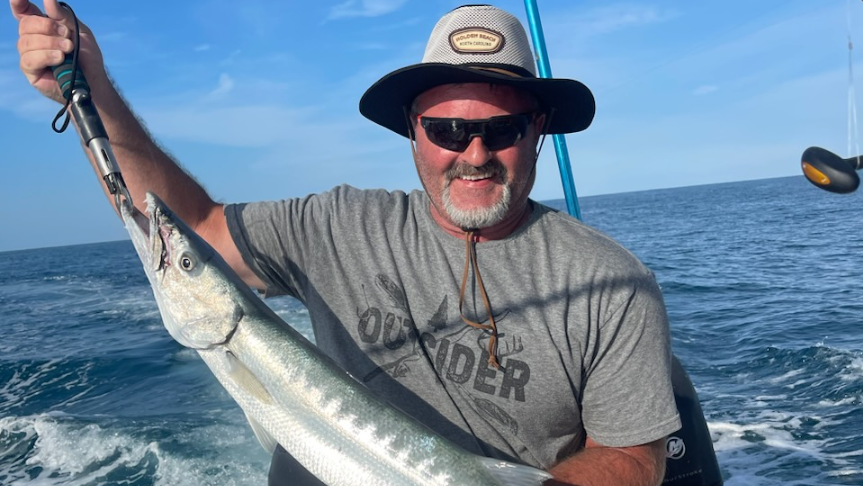
The standout moment of this trip was landing a solid blue catfish, a species that fights hard and rewards patient anglers with real sport. Blue catfish have become increasingly abundant in North Carolina waters, and Denver area fisheries provide excellent opportunities to pursue them. The experience combined the anticipation of waiting for a bite with the excitement of the fight when these powerful fish strike.
What made this outing memorable was the combination of favorable water conditions and Captain Dexter's ability to locate active fish. The calm morning waters allowed for focused fishing, and the guidance provided enhanced the overall experience. Whether you're targeting catfish specifically or exploring what local waters have to offer, this type of guided trip delivers authentic fishing moments.
Local Species Insights: Blue Catfish
Blue catfish are among North Carolina's most aggressive and abundant catfish species. These fish thrive in rivers, lakes, and reservoirs across the state, and they've adapted remarkably well to the local waters near Denver. Blue catfish are bottom feeders with strong sensory capabilities, using barbels (whisker-like sensory organs) to locate food in murky water conditions.
During fishing trips like this one, blue catfish typically respond well to live bait or cut bait presentations near the bottom. They're known for their power and tenacity once hooked, often making dramatic runs that test your equipment and technique. Landing one isn't a matter of luck alone - it requires patience, proper technique, and understanding their behavior patterns. The catfish you see here represents a successful hunt on productive grounds where these fish congregate.
The habitat around Denver supports healthy blue catfish populations because the water conditions, food availability, and structure create ideal environments for them to thrive. Local guides like Captain Dexter understand these patterns intimately, which is why guided trips consistently produce results. Blue catfish can grow quite large, and the potential for a trophy catch is always present, making every trip exciting regardless of prior experience level.
Fishing in Denver: Blue Catfish
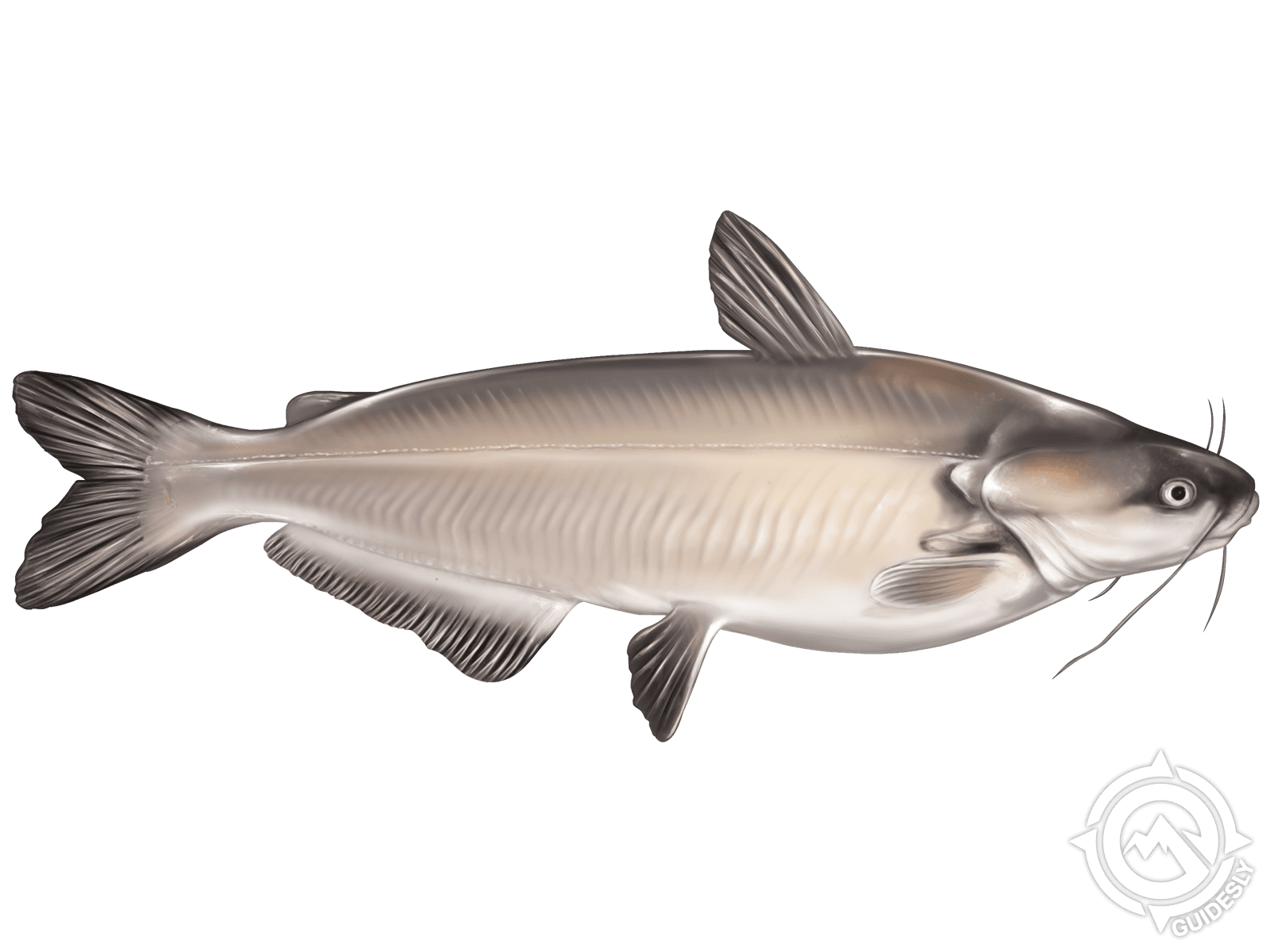
Blue Catfish Overview
The Blue Catfish (Ictalurus Furcatus) is a formidable freshwater predator belonging to the family Ictaluridae within the order Siluriformes. Known locally as the Blue Cat, this species is instantly recognizable by its distinctive slate-blue coloration, deeply forked tail, and prominent dorsal hump. Unlike their cousins the Channel Catfish, Blue Catfish feature a squared-off anal fin and 30–36 fin rays, making them unmistakable to experienced anglers. These catfish are the largest of all North American catfish species and have earned a reputation as both prized catches and, in places like Virginia, controversial invasive pests due to their explosive population growth and voracious appetite for native species.
Blue Catfish Habitat and Distribution
Blue Catfish thrive in rivers, lakes, flats, and backcountry waters throughout North America. They show a remarkable adaptability to brackish water environments, a trait that has contributed to their expansion beyond their native range. These fish are typically found in deep holes with muddy bottoms, particularly near tidal creeks where they can follow the tide and establish territories. Their low mortality rate and hunting prowess have allowed populations to flourish, especially in the Chesapeake Bay region and Virginia waterways. If you're exploring Blue Catfish habitat, focus on areas where strong tidal influences create channels and deeper holes—these are the highways and hunting grounds where these catfish congregate and feed most actively.
Blue Catfish Size and Weight
Blue Catfish are impressive in stature. They typically range from 25 to 46 inches in length, with weights averaging 20 to 81 pounds, though trophy specimens can push even higher. What makes the Blue Cat so remarkable is not just individual size but their consistency—many fish in popular fisheries will exceed 40 pounds. Their muscular build, underbite, and powerful tail enable them to dominate their aquatic ecosystems and provide anglers with genuine battles when hooked. The combination of mass and strength makes landing one of these catfish a memorable experience that demands proper equipment and technique.
Blue Catfish Diet and Behavior
Blue Catfish are described as terrifying hunters and opportunistic feeders with an almost legendary appetite. They consume virtually anything available: crawfish, freshwater mussels, frogs, smaller fish, and even Asian Carp when they reach larger sizes. Their behavior as scavengers is particularly notable—anglers frequently observe Blue Catfish feeding beneath schools of Striped Bass, capitalizing on baitfish escaping from larger predators. The fish's barbels serve as sensitive taste receptors that allow them to detect food in murky water, and their underbite positions them well for surface feeding and opportunistic strikes. They are primarily nocturnal hunters, making them most active during dawn, dusk, and nighttime hours. In Virginia and other regions where Blue Catfish populations have exploded, their predatory impact on native fish and crustacean populations—particularly blue crabs—has made them ecological concerns that warrant culling efforts.
Blue Catfish Spawning or Seasonal Activity
Blue Catfish spawning typically occurs in late spring through early summer when water temperatures warm. During spawning season, they seek shelter in hollow logs, root systems, and rocky crevices, creating nesting sites that can be surprisingly territorial. Outside of spawning periods, these catfish remain active year-round, though their feeding intensity can fluctuate with seasonal changes and water temperature. Winter months see them moving into deeper channels and holes where they remain relatively stationary, conserving energy in cooler water. Spring and fall periods, when water temperatures moderate, tend to trigger increased feeding activity, making these seasons particularly productive for anglers targeting Blue Catfish across their range.
Blue Catfish Techniques for Observation or Capture
Fresh-Cut Bait Method: The most effective approach for catching Blue Catfish involves fresh-cut bait—herring, sardine, shad, or even chicken liver. Cut your bait into chunks to release blood and scent into the water, which activates the fish's taste receptors across their body. Lower your bait to the bottom and let it rest; resist the urge to move it constantly, as these opportunistic hunters prefer stationary, easy targets. When you feel 1–2 nibbles, set the hook firmly. This passive method works especially well during evening and night hours when catfish are most active. Around Virginia's tidal rivers, this technique near deep muddy holes has proven particularly productive for landing trophy-sized specimens.
Electrofishing Technique: Electrofishing uses a cathode and anode to attract and temporarily stun catfish, making them easier to collect for research or culling efforts. While primarily a scientific and management tool, some recreational anglers in regulated areas explore this method. The electric field does not damage the fish's meat quality, and the mild shock makes handling safer. This advanced technique requires proper training and permits, but when deployed correctly in known hotspots, it can yield remarkable catches—some studies report hauling 700+ Blue Catfish per hour in heavily populated areas.
Location and Timing Tip: Identify deep channels and holes in lakes and rivers near tidal creeks, particularly in areas where Blue Catfish are known to congregate. Fish from dusk through midnight for optimal results, bringing leather gloves or high-friction fishing gloves to manage these slimy, powerful fighters. Around Virginia, focus on river systems in the Chesapeake Bay region where these catfish are most abundant and actively hunted by both recreational and commercial fisheries.
Blue Catfish Culinary or Utilization Notes
Blue Catfish meat is firm, white, and considered excellent eating by many anglers and chefs. The flavor is mild and slightly sweet, making it versatile for frying, baking, grilling, and stewing. A 40-pound Blue Catfish yields substantial fillets with minimal waste. However, in regions like Virginia where populations are considered invasive and destructive to native species, the culinary angle serves a secondary but important purpose: encouraging harvest and consumption as a population management strategy. Eating Blue Catfish is not only delicious but also environmentally responsible in areas where their numbers threaten ecological balance. The nutritional profile is strong, offering high-quality protein and beneficial omega fatty acids. Some restaurateurs and chefs have embraced farm-raised and wild-caught Blue Catfish as a sustainable, flavorful protein option that supports ecosystem health.
Blue Catfish Frequently Asked Questions
Q: What is the best bait for catching Blue Catfish?
A: Fresh-cut bait is your best bet. Use herring, sardine, shad, or chicken liver cut into chunks. The fresh blood and scent disperse into the water, triggering the catfish's taste receptors and drawing them to your bait. Let it sink to the bottom and remain still—these fish prefer an easy, stationary meal.
Q: Where can I find Blue Catfish near Virginia?
A: Virginia's tidal rivers, particularly those feeding into the Chesapeake Bay, are prime Blue Catfish habitat. Look for deep holes with muddy bottoms near tidal creeks. The James River, York River, and Rappahannock River systems all hold substantial populations. Fish near deep channels where the tide ebbs and flows—catfish follow these currents to hunt.
Q: Is Blue Catfish good to eat?
A: Absolutely. Blue Catfish meat is firm, white, and mild-flavored, making it excellent for frying, baking, or grilling. A large specimen provides substantial, high-quality fillets. In regions where populations are invasive, catching and eating them is both delicious and environmentally beneficial, helping to manage populations while enjoying a nutritious meal.
Q: When is the best time to catch Blue Catfish?
A: Dusk through midnight is prime time, though they can be caught throughout the day. Spring and fall offer increased feeding activity as water temperatures moderate. Night fishing in summer months, when water is warm and daylight feeding slows, is often most productive. Winter finds them in deeper holes but still catchable for determined anglers.
Q: How do I identify a Blue Catfish versus a Channel Catfish?
A: Blue Catfish have 30–36 fin rays and a squared-off anal fin, while Channel Catfish have rounded anal fins and fewer rays. Blue Catfish also feature a prominent dorsal hump and deeply forked tail. Their slate-blue coloration and underbite are additional distinguishing features. Counting rays is the most reliable field method.
Q: What size should I expect to catch?
A: Blue Catfish typically range from 25 to 46 inches and weigh 20 to 81 pounds. Many fish in established fisheries exceed 40 pounds, making them consistently impressive catches. They are the largest of all North American catfish species, so prepare for a powerful battle when you hook into one.