%2Ffit-in%2F250x250%2Fguide_websites%2F123018%2Fimages%2F1775622681077gemini_generated_image_ci6ao9ci6ao9ci6a-removebg-preview.png&w=1920&q=100)
Largehead Hairtail Fishing in Denver NC
Largehead Hairtail Fishing in Denver NC - What to Expect
%2F%2Fusers%2F223e11e4-3627-41ae-8aab-f1badddbfdf7%2Fimages%2Flargehead-hairtail-fishing-denver-nc-2684.jpeg&w=1920&q=75)
Fishing, Tours Adventures by Captain Dexter Mccaslin in April
- Your Premier Lake Norman Fishing Guide


Summary
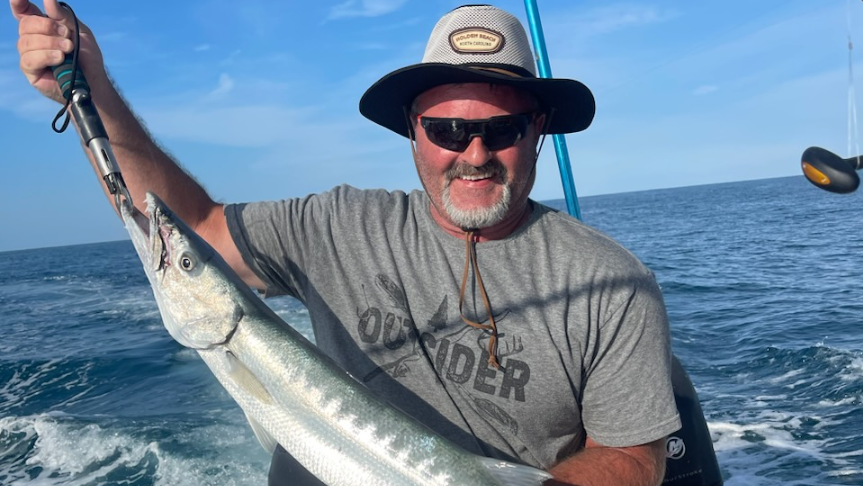
Hook into action-packed fishing and tours adventures with Captain Dexter Mccaslin of Slice O Life on Wednesday in April. Targeting largehead hairtail off Denver NC waters, this fishing experience delivers hard-hitting catches and non-stop excitement. Whether you're chasing trophy fish or soaking in coastal thrills, this guided tour combines skill with pure adrenaline.
Fishing with Captain Dexter Mccaslin - Rates & Booking
Captain Dexter Mccaslin of Slice O Life launches into action on Wednesday in April, targeting some of the most explosive species off the Denver NC coast. This fishing tour combines local expertise with proven tactics designed to get you in front of actively feeding largehead hairtail. The captain brings years of experience reading water conditions and maximizing your chances at consistent catches throughout the day.
When you book this fishing and tours adventures package, you're gaining access to a guide who knows these waters intimately. Dexter moves fast between productive zones, keeps lines tight, and shares real-time insights that transform casual anglers into successful hunters. Whether this is your first saltwater experience or your hundredth trip, the pace stays electric and the focus stays locked on results.
Contact Slice O Life to reserve your spot and confirm trip specifics. Space fills quickly during peak season, so lock in your date soon to secure your adventure on the water.
Highlights of This Fishing Experience
The standout moment of this trip is connecting with aggressive largehead hairtail in their prime feeding zones. These fish hit hard and pull with relentless energy, creating memorable battles that test your skills and technique. The deck action comes fast when hairtail are running, with multiple hookups and constant movement keeping adrenaline levels sky-high throughout the day.
Denver NC coastal waters offer the perfect environment for this species. The setup puts you in the strike zone during peak hours, and Captain Dexter positions the boat to maximize encounters. You'll experience the raw excitement of saltwater fishing combined with the scenic beauty of North Carolina's barrier waters.
Local Species Insights: Largehead Hairtail
Largehead hairtail are fierce predators that dominate offshore and nearshore zones along the Atlantic coast. These elongated fish feature massive teeth and a sleek body built for speed and aggression in the water column. They hunt with intensity, striking fast-moving baits and artificial lures with explosive ferocity that catches inexperienced anglers off guard.
What makes hairtail so exciting to pursue is their unpredictable behavior and powerful fighting style. They're built for combat in the deep, with a body designed to cut through water and chase down prey. When hooked, they make hard runs and shake their heads violently, creating heart-pounding moments on the deck. Their presence in Denver NC waters creates consistent action during optimal tide cycles and seasonal windows.
Hairtail thrive in deeper channels and drop-offs where baitfish congregate. They respond aggressively to live bait presentations and artificial lures that mimic their natural prey. Captain Dexter knows exactly which depths and structures hold feeding fish, allowing him to dial in productive areas quickly and keep you focused on landing catches rather than searching for fish.
The species is nocturnal by nature, often positioning deeper during daylight hours but becoming more active during low-light conditions and tide changes. Understanding these patterns gives Captain Dexter the edge needed to time your fishing for maximum productivity. The excitement builds with each cast, knowing that hairtail could strike at any moment when conditions align perfectly.
Fishing in Denver: Largehead Hairtail
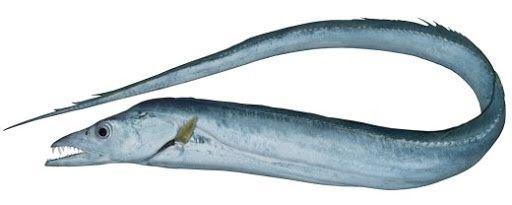
Largehead Hairtail Overview
The Largehead Hairtail (Trichiurus lepturus) is a fascinating benthopelagic species belonging to the family Trichiuridae and order Perciformes. Known by numerous aliases including Beltfish, Pacific cutlassfish, Japanese cutlassfish, and Ribbonfish, this remarkable fish captivates both commercial fishermen and curious anglers worldwide. What makes the Largehead Hairtail truly distinctive is its otherworldly appearance: a silvery-blue body with an iridescent glow, semi-transparent fins tinged with yellow, and a dramatically elongated form that tapers to a razor-thin, pointed tail. Perhaps most striking are its enormous eyes and gaping mouth filled with fang-like teeth—features that have earned it respect and intrigue in fishing communities from Taiwan to the Caribbean. Whether you're exploring the estuaries near major fishing ports or researching deep-water species, the Largehead Hairtail stands out as one of the ocean's most commercially significant and visually arresting fish.
Largehead Hairtail Habitat and Distribution
The Largehead Hairtail thrives in temperate and tropical oceans throughout the globe, preferring varying water temperatures depending on geographic location. In Japanese waters, these fish favor temperatures between 68°F and 75°F, while Korean populations adapt to chillier waters around 57°F. They are benthopelagic creatures found in depths reaching 1,900 feet, equally comfortable in salt and brackish waters. Their geographic range is impressively vast: in the West Atlantic, they span from Virginia southward to northern Argentina, including the Gulf of Mexico and Caribbean Sea. The East Atlantic population ranges from the United Kingdom to South Africa. In the East Pacific, they're abundant from southern California to Peru. The Indo-Pacific region hosts thriving populations throughout Japan, Australia, Fiji, and the Red Sea. Interestingly, despite their widespread distribution, they remain notably absent from the central Pacific Ocean, including Hawaiian waters—a geographic quirk that researchers continue to investigate.
Largehead Hairtail Size and Weight
These elongated fish are surprisingly substantial despite their slender profile. The average Largehead Hairtail measures between 19 inches and 40 inches in length, weighing proportionally light for their body size. However, specimens reach impressive dimensions, with maximum recorded lengths of approximately 7.7 feet (92 inches) and weights up to 13 pounds. Australian populations tend toward the larger end, with some individuals recorded at 5.9 feet (71 inches). The oldest documented Largehead Hairtail reached 15 years of age, suggesting these fish enjoy reasonable longevity in their marine environment. Their extreme length-to-weight ratio is a defining characteristic—their ribbon-like bodies simply don't pack on mass the way traditional fish do, making them remarkably easy to debone and prepare, a feature that has contributed to their culinary popularity across Asia.
Largehead Hairtail Diet and Behavior
The Largehead Hairtail is strictly nocturnal, emerging from the sea bed after dark to hunt small fishes, krill, shrimp, and squid throughout the night. Once they've satisfied their appetites, they return to deeper waters or the bottom during daylight hours, a behavioral pattern that significantly influences fishing success rates. One particularly striking behavioral trait is intraspecific cannibalism—adult Largehead Hairtails commonly prey on younger members of their own species. This predatory nature is reflected in their fearsome appearance and hunting prowess. Their massive eyes are perfectly adapted for low-light feeding, while their fang-like teeth efficiently dispatch prey. Understanding this nocturnal lifestyle is crucial for anglers seeking to encounter this species, as daytime efforts are largely unproductive unless targeting deeper waters where they rest during daylight hours.
Largehead Hairtail Spawning and Seasonal Activity
Female Largehead Hairtails demonstrate remarkable reproductive capacity, producing several thousands of pelagic eggs during spawning seasons. These eggs hatch remarkably quickly—within just 3 to 6 days—allowing for rapid population recovery and explaining why this species remains so commercially abundant despite intense fishing pressure. The exact timing and triggers for spawning vary by geographic region and water temperature, with tropical and subtropical populations potentially spawning year-round while temperate populations concentrate reproduction during warmer months. The rapid hatching time and high fecundity rate represent evolutionary adaptations that have enabled the species to become the sixth most important commercial fish species globally, particularly in waters around Taiwan, China, Pakistan, Japan, and South Korea.
Largehead Hairtail Techniques for Observation or Capture
Beach Seines and Bottom Trawls: Commercial operators and serious recreational anglers most commonly employ beach seines and bottom trawls to capture Largehead Hairtail. These techniques work exceptionally well because the fish congregate predictably on the seabed during daylight hours and in mid-water zones during nighttime feeding periods. Bottom trawling specifically targets resting populations in deeper waters and river mouths, while beach seines capture them in shallow estuarine environments during their nocturnal forays into brackish water zones.
Trolling and Midwater Longlines: For those preferring active angling, trolling with small silvery lures mimicking their natural prey proves highly effective, particularly during dawn and dusk transition periods when they're moving between resting and feeding zones. Midwater longlines represent another productive approach, allowing anglers to target fish suspended in the water column during active feeding hours. Set lines to depths between 30 and 100 feet during nighttime fishing sessions for optimal results.
Bag Nets in Estuaries and Boat Seines: In estuarine environments around major river systems—such as those feeding the fishing grounds near Taiwan and the Pearl River estuary in China—bag nets positioned at river mouths capture Largehead Hairtail moving between river and open ocean environments. Boat seines, when deployed over shallow flats during high tide periods, consistently yield excellent catches. Around Taiwan's extensive fishing operations, local guides recommend targeting river mouths and coastal flats during neap tide periods when fish concentrate in predictable zones.
Largehead Hairtail Culinary and Utilization Notes
The Largehead Hairtail has earned significant culinary distinction, particularly throughout Asia where it commands premium prices in seafood markets. Its meat is prized for the Japanese dish sashimi, where the sliced raw flesh showcases a delicate, slightly sweet flavor profile with firm texture. The fish's convenient bone structure—easily deboned compared to most species—has earned it the nickname 'swordfish' among processors and chefs, though it bears no taxonomic relation to actual swordfish. The meat offers excellent nutritional value, being high in protein and omega-3 fatty acids while remaining relatively low in fat compared to fattier fish species. A curious postcollection observation: these fish shift dramatically in color from steel blue when alive to silvery grey shortly after death, a coloration change that fascinated early naturalists and commercial fishermen alike. The species' commercial significance is staggering—in 2009 alone, 1.2 million tons were harvested in Taiwan and China, underscoring its importance to regional food security and fishing economies.
Largehead Hairtail Frequently Asked Questions
Q: What is the best bait or lure for catching Largehead Hairtail?
A: Live or dead small fish such as anchovies, sardines, and silversides work exceptionally well, as do small squid and shrimp. Artificial lures should be small, silvery, and designed to mimic the natural prey species. The fish respond well to night fishing with light-colored, reflective lures that capitalize on their nocturnal hunting behavior and large eyes adapted to low-light conditions.
Q: When is the best time to fish for Largehead Hairtail?
A: Nighttime fishing yields the most reliable success, as these are strictly nocturnal feeders. Focus your efforts from dusk through early morning hours, particularly during neap tides when fish concentrate in accessible zones. Dawn and dusk periods offer reasonable secondary options if nighttime fishing isn't feasible, as fish transition between feeding and resting grounds during these hours.
Q: Where can I find Largehead Hairtail in major fishing regions?
A: The species thrives in river mouths, estuaries, and coastal flats throughout temperate and tropical regions globally. In Asia, Taiwan, Japan, China, and South Korea maintain the most productive fisheries. In the Americas, try brackish estuaries and river systems from Virginia southward through the Gulf of Mexico and Caribbean. The East Atlantic region from the United Kingdom through South African waters hosts significant populations, as do Indo-Pacific zones including Australia and Fiji.
Q: Is Largehead Hairtail good to eat?
A: Absolutely—it's considered excellent table fare, particularly valued in Japanese, Chinese, Korean, and Taiwanese cuisines. The meat is delicate, slightly sweet, and flakes beautifully when cooked. It's ideal for sashimi, grilling, steaming, or pan-searing. The ease of deboning makes preparation straightforward, and the nutritional profile—high in protein and omega-3 fatty acids—makes it a healthy choice for culinary applications.
Q: How deep do Largehead Hairtail typically inhabit?
A: While the species can be found at depths exceeding 1,900 feet, the most commercially productive and accessible populations inhabit waters between 30 and 200 feet. Estuarine and river-mouth populations occupy even shallower zones, sometimes venturing into water just 10-15 feet deep during nocturnal feeding forays into brackish environments.
Q: What makes the Largehead Hairtail biologically unique?
A: Their extreme body proportions—extremely elongated frames with minimal weight distribution, razor-thin pointed tails, enormous eyes, and fang-like teeth—represent remarkable evolutionary specialization for nocturnal, deep-water hunting. Additionally, their striking iridescent glow and color-change postmortem (from steel blue to silvery grey) set them apart from most other fish species. The remarkable fecundity—females producing thousands of eggs that hatch within days—demonstrates another unique biological adaptation supporting their commercial abundance.